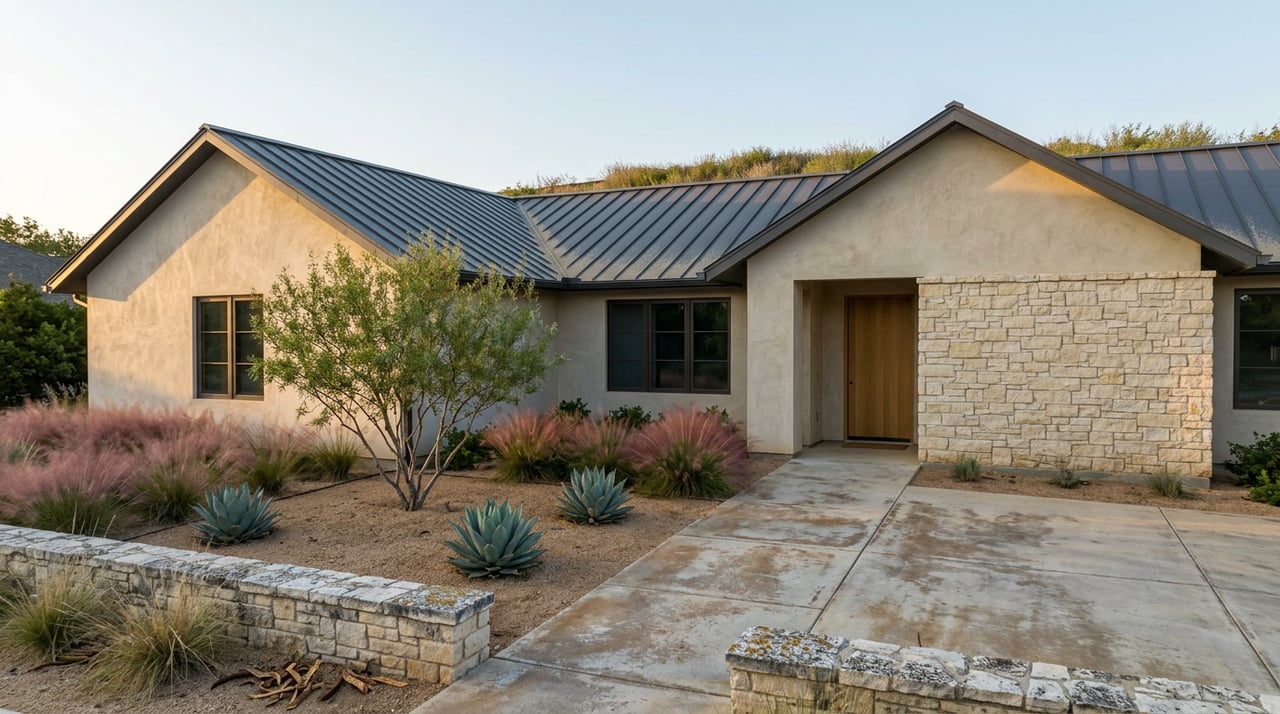
Buying Land in Fruita Colorado: How Water Tap Costs Differ
September 24, 2026
September 24, 2026
Two vacant lots in Fruita can look nearly identical on a listing sheet. Same acreage, same views of the Bookcliffs, same distance from downtown. Then a buyer gets a quote for a domestic water tap and finds out one lot costs several thousand dollars more to bring online than the other, and the difference has nothing to do with soil, slope, or square footage. It has to do with which side of an invisible line the parcel sits on.
That line is the boundary between land served by the City of Fruita's own water system and land served by Ute Water Conservancy District. Most buyers never ask which side they're on until they're already under contract. By then, the tap fee is a surprise instead of a line item they priced in from the start.
If a lot sits inside Fruita city limits and on city water, the fee schedule is public and specific. The City of Fruita's utility fees page lists a base rate of $13,238 for a 1.5-inch water tap, $21,183 for a 2-inch tap, and $41,727 for a 3-inch tap, with those figures subject to review by the City Engineer and Public Works based on the property's volume and treatment demands.
| Tap size | Fruita city water tap fee (base rate) |
|---|---|
| 1.5-inch | $13,238 |
| 2-inch | $21,183 |
| 3-inch | $41,727 |
That's before a foundation is poured, before a well is drilled, before any of the costs a buyer usually budgets for. It's the price of connecting to a pipe that already runs past the property.
Step outside city limits into unincorporated Mesa County and the water provider often changes to Ute Water Conservancy District. Ute Water's own billing page is direct about how it prices new connections:
"Additional revenue includes water tap fees which are driven by growth."
In late 2023, the district raised its standard tap fee for a 5/8-inch meter, the typical size for a single residential connection, to $7,000, up from $6,800, citing rising treatment and chemical costs. That specific number is a few years old now and district rates change, so anyone evaluating a Ute Water lot should call the district directly for the current schedule rather than relying on a figure from an old listing or an old article. The district's fee schedule is set by a board rather than by a fixed city ordinance.
The practical takeaway is not that county land is a worse buy. Plenty of buyers want the acreage and the distance from town that unincorporated Mesa County offers. The point is that the same-looking lot can carry a materially different true cost depending on which utility has jurisdiction, and that detail rarely shows up in the listing description.
Land listings around Fruita frequently mention irrigation water as a selling point. A parcel in La Mesa Estates South, one of Fruita's newer estate-lot developments on 19 Road, has been marketed with 26 shares of irrigation water and no HOA. Other acreage nearby has changed hands with shares from the Grand Valley Irrigation Company attached to the deed.
Those shares are real value. They keep pasture green, support a hobby farm, or feed a landscaping plan without running up a domestic water bill. But they are a separate system from the pipe that would serve a kitchen sink or a shower. A buyer who sees "includes irrigation water" and assumes the domestic water question is settled is combining two different assets that happen to sit on the same parcel. The tap fee, whether it's the city's schedule or Ute Water's, is still coming.
Some Fruita subdivisions are built specifically to remove this ambiguity for buyers. Adobe Falls Subdivision, for example, has marketed each vacant lot as including infrastructure for Ute Water, City of Fruita sewer, and Xcel gas and electric, with pressurized irrigation installed to every lot and maintained by the subdivision's HOA. That's a development where the tap question has already been answered and priced into the lot.
Compare that to acreage listed as having "utilities ready with electric and domestic water to the property line." That phrase means the infrastructure stops at the boundary. The tap, the meter, and the connection fee are still the buyer's responsibility, and the cost depends entirely on which provider and which meter size the future home requires.
Neither approach is better across the board. A lot with everything installed usually costs more up front and less in surprises. A raw lot with utilities to the property line can be less expensive to acquire and more expensive to finish. The mistake is comparing the two on acreage or asking price alone without asking which category each one falls into.
Context helps here too. In December 2024, the Fruita City Council approved a public-private partnership with 2 Forks Ventures to redevelop a 40-acre city-owned parcel at the west end of Raptor Road, along the Colorado River and near I-70. The project, known as The Launch, sits on land that was Fruita's sewer lagoon site until it was decommissioned in 2011. The plan calls for a 20-acre riverfront park paired with 20 acres of private commercial and residential development, and by late summer 2025 the city's own weekly updates described active site work including fencing, electrical, and irrigation improvements.
That kind of investment doesn't set water tap fees anywhere else in town, but it does tell a buyer something about where the city is putting its infrastructure dollars and long-term attention. Land near that corridor is being shaped by a specific, funded, dated project rather than general growth pressure, and that's worth knowing even if it doesn't change the tap fee math on a lot ten minutes away.
A few questions can save a buyer from an expensive surprise between contract and closing:
This is exactly the kind of due diligence Dane's construction-management background is built for, the difference between a lot that's ready to build on and one that only looks that way on paper.
Does "utilities to the property line" mean the tap is already paid for? No. It means the infrastructure exists at the boundary. The connection fee and the meter installation are still the buyer's cost, and the amount depends on the provider and meter size.
Do Grand Valley Irrigation Company shares cover a home's water use? No. Irrigation shares supply water for landscaping or agricultural use through a separate delivery system. They don't substitute for a domestic water tap from the City of Fruita or Ute Water.
Is land inside Fruita city limits always cheaper to develop than land in unincorporated Mesa County? Not automatically, but the fee structures are set differently. Fruita publishes a fixed schedule by meter size. Ute Water's current fee should be confirmed directly with the district before an offer is written, since it changes over time.
Land in Fruita rewards buyers who ask about the pipe before they fall for the view. If you're comparing lots, subdivisions, or acreage anywhere in the Grand Valley and want someone who will run these numbers with you before you're locked into a contract, The Griffin Team is ready to walk the parcel, make the calls, and tell you what it actually costs to build there.
This article is general information, not legal, tax or financial advice. Consult a qualified professional about your situation.
Stay up to date on the latest real estate trends.

Blog
Why now might be the best time to buy
Blog
A local look at the lifestyle, community, and livability that set Fruita apart
Blog
Life with three little boys is naturally a bit wild.
Blog
A family's dream cabin on the Grand Mesa becomes a reality.
We live, work, and serve in the community we love. Our deep market knowledge means smarter pricing, stronger offers, and confident decisions.
THE GRIFFIN TEAM
COLDWELL BANKER DISTINCTIVE PROPERTIES
Agent phone: 970-589-6555
Office Phone: 970-243-0456
131 N. 6th Street Grand Junction, CO 81501