How to Sell a Home in Fruita CO in Today’s Market
July 23, 2026
July 23, 2026
Wondering why some Fruita homes attract strong interest quickly while others sit with little traction? In today’s market, pricing and presentation need to work together from day one. If you want to sell with confidence, it helps to understand how buyers are comparing homes, what local numbers really suggest, and which details can strengthen your position. Let’s dive in.
Fruita’s market does not fit into one simple headline. Recent data points show different snapshots, with Redfin reporting a median sale price of $482,211 in May 2026, homes selling in a median of 29 days, and an average sale-to-list ratio of 99.2%. Realtor.com’s June 2026 summary shows a median listing price of $545,000, a median sold price of $446,063, 200 active listings, and a 55-day median time on market.
That difference matters because it shows why sellers should not rely on a single portal number. Different sites use different time frames and definitions, so the best pricing strategy starts with recent local comparable sales. In Fruita, accuracy matters more than optimism.
Mortgage rates also shape buyer behavior. Freddie Mac reported a 30-year fixed rate of 6.55% for the week of July 16, 2026, which keeps affordability top of mind. When buyers are watching their monthly payment closely, an overpriced home can lose momentum faster.
The strongest list price usually comes from closed sales, not active listings. Closed sales show what buyers have actually agreed to pay, while active listings show current competition and seller expectations. If you want a price that feels credible from the start, sold data should lead the conversation.
A useful pricing review should compare homes with similar:
This is especially important in Fruita because the housing mix is broad. A downtown property, a newer subdivision home, a home with acreage, and a land-adjacent property may all appeal to different buyers and support different pricing logic. Small differences in access, utilities, condition, and lot usability can have a meaningful effect on value.
Not every home should be priced at the top of its likely range. Some homes earn that position, while others do better in the middle or lower end to create early interest. The right choice depends on how your home compares to recent sales and current competition.
A home may support the higher end of the range if it stands out in ways buyers can clearly see and value. That could include strong condition, thoughtful updates, a more usable floor plan, better outdoor living, or features that match how many Fruita buyers live day to day.
Examples might include:
Even then, higher pricing works best when the difference is supported by recent comparable sales. A premium needs evidence. Without it, buyers may simply move on to the next listing.
Many sellers land here for a reason. A middle-range price often fits homes that are solid, market-ready, and broadly competitive, but not clearly superior to the best recent sales. This approach can help you stay aligned with the market while preserving room for strong interest.
In a place like Fruita, where some data suggests buyer leverage and other data suggests steady demand, middle-range pricing can be a smart balance. It reflects confidence without stretching beyond what buyers are likely to support.
A lower-end price within the likely range does not always mean underselling. Sometimes it is a strategy to reflect condition, needed updates, location factors, or buyer hesitation around unknowns. It can also help generate faster activity in a more selective market.
If your home needs cosmetic work, has dated systems, or faces stronger competition nearby, pricing lower can help buyers feel they are seeing value. In a market where Mesa County homes sold about 1.07% below asking on average and Fruita’s sale-to-list ratio was 99.2%, the numbers suggest buyers are rewarding homes that feel properly positioned.
Condition affects value because buyers notice both visible updates and hidden risk. A home with fresh finishes, good maintenance, and fewer question marks will often feel more compelling than a similar home with deferred upkeep. That does not mean every improvement returns dollar for dollar, but it does mean presentation and upkeep influence buyer confidence.
Upgrades should be weighed against nearby sales, not personal cost alone. A kitchen refresh, new flooring, or improved outdoor space may strengthen your position if comparable homes support that value. On the other hand, highly custom work or older upgrades may not carry the same pricing power.
In Fruita, practical improvements often matter because they connect to how people use their homes. Storage for bikes or outdoor gear, durable finishes, easy-maintenance landscaping, and functional patios can all support the way buyers picture everyday life here. Those features may not create a premium on their own, but they can help your home compete more effectively.
Pricing gets buyers to look. Positioning gives them a reason to care. In today’s market, those two pieces need to work together from the first day your listing goes live.
According to NAR’s 2025 staging report, 29% of agents said staging led to a 1% to 10% increase in offered value, 49% said it reduced time on market, and 83% said staging made it easier for buyers to picture the property as their future home. That makes preparation more than a cosmetic step. It is part of your overall sales strategy.
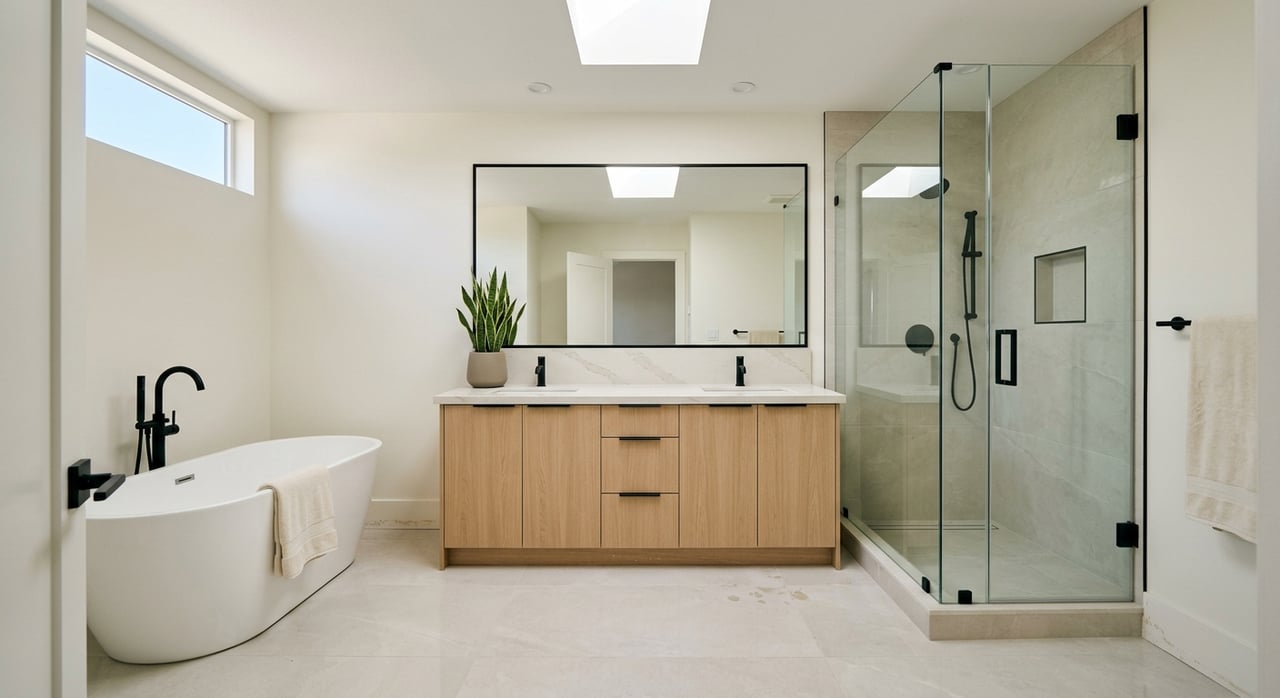
NAR reports that the living room, primary bedroom, and kitchen are the most important rooms to stage. If your time or budget is limited, start there. Buyers tend to form strong impressions in those spaces first.
Simple preparation steps can go a long way:
These steps help buyers focus on the home itself. The goal is not to make the property look generic. The goal is to make it feel clear, cared for, and easy to imagine living in.
Most buyers begin online, and many spend time comparing homes before they ever schedule a showing. NAR reports that 51% of buyers found the home they purchased on the internet, 69% used a mobile or tablet during their search, and buyers rated photos, detailed property information, floor plans, and virtual tours as very useful.
That means your listing needs more than a few decent photos. It should have accurate property details, strong visual presentation, and a description that explains what makes the home function well. For relocators and out-of-area buyers especially, online presentation often shapes whether they take the next step.
A good listing does more than describe finishes. It also helps buyers understand how the home fits their daily life. In Fruita, that often includes connection to outdoor recreation, access, storage, and ease of living.
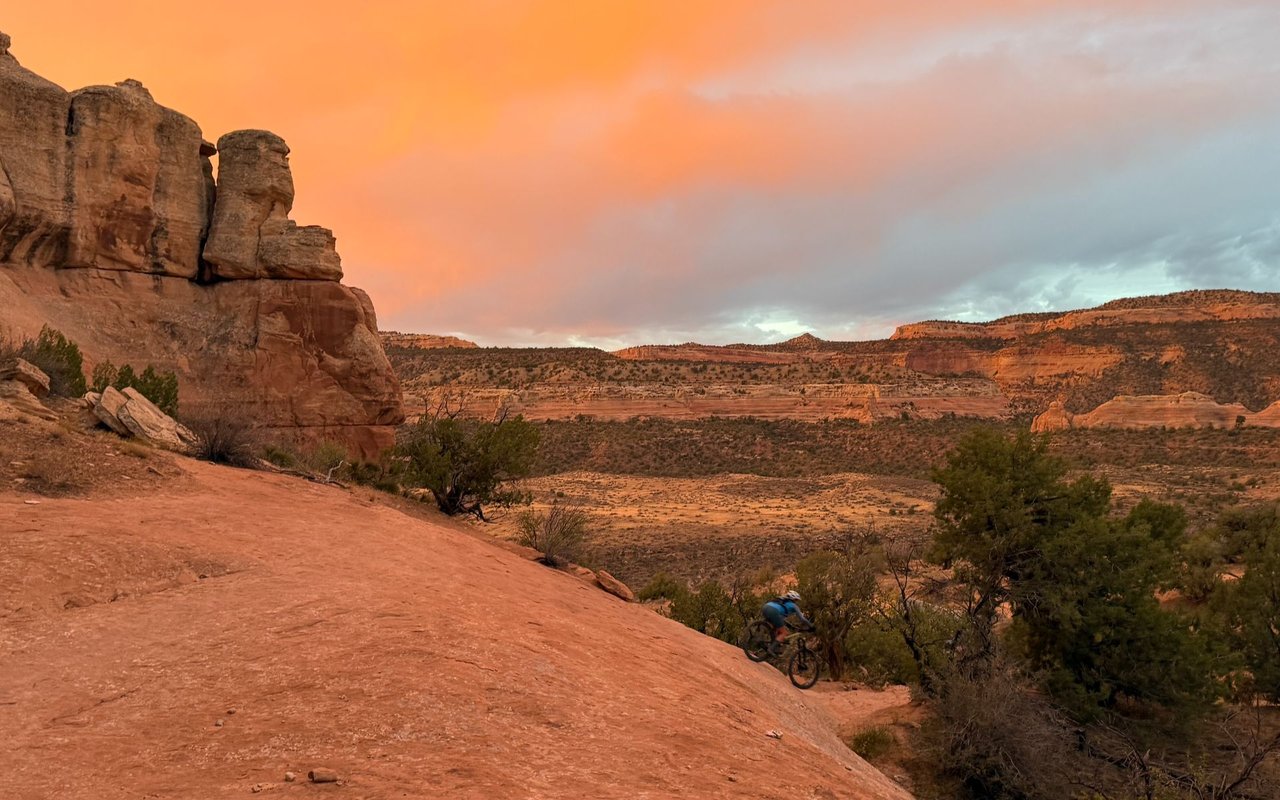
The City of Fruita notes the city’s location near the Colorado National Monument and McInnis Canyons National Conservation Area. Mesa County’s Riverfront Trail connects Fruita with Grand Junction and Palisade, and the BLM says the Fruita Trails area includes more than 250 miles of designated recreation routes.
That does not mean every buyer wants the same thing. It does suggest that features like garages, bike storage, mudrooms, patios, low-maintenance yards, and usable outdoor space may deserve extra attention in your marketing. Buyers are often responding not just to the house, but to how the house supports the way they want to live.
Good pricing also depends on good preparation behind the scenes. Colorado’s Seller’s Property Disclosure asks sellers to disclose known facts affecting the property, including building condition, roof issues, water intrusion, access, parking limitations, environmental conditions, radon, HOA matters, metro district status, and written reports or claims.
If your property includes acreage, a well, septic, or more complex land features, buyers may also want records related to permits, water providers, surveys, or soils and engineering information. Having those items organized early can reduce uncertainty and support a smoother pricing conversation.
Colorado law requires residential sale contracts to include a radon warning and the seller’s knowledge of radon history, including testing and mitigation. This matters because the Colorado Department of Public Health and Environment says radon is found at elevated levels in one out of every two Colorado homes.
If you already have radon test results or mitigation records, gather them before listing. Buyers are encouraged to test during the inspection period, so early documentation can make that phase feel more manageable and transparent.
It is tempting to test the market with a higher price, especially if your home is attractive or has unique features. But in a market where buyers are comparing homes carefully, overpricing can reduce early interest. The longer a home sits, the more buyers may wonder if something is off.
A higher list price tends to help only when the home clearly justifies it and the supporting sales are there. Otherwise, it often creates a longer time on market and a weaker negotiating position later. In Fruita, where current data sends mixed signals, a grounded launch strategy is often the safer path.
If you are selling in Fruita, the goal is not to chase the highest possible number on paper. The goal is to launch at a price buyers can support, present the home in a way that stands out, and remove as much uncertainty as possible. That combination gives your listing its best chance to get attention early and move forward with fewer obstacles.
With hands-on local knowledge, strong marketing, and practical guidance on everything from prep work to property details, Kelley Griffin can help you price and position your Fruita home for today’s market.
Stay up to date on the latest real estate trends.
Blog
Why now might be the best time to buy
Blog
A local look at the lifestyle, community, and livability that set Fruita apart

Blog
Life with three little boys is naturally a bit wild.

Blog
A family's dream cabin on the Grand Mesa becomes a reality.
We live, work, and serve in the community we love. Our deep market knowledge means smarter pricing, stronger offers, and confident decisions.

THE GRIFFIN TEAM
COLDWELL BANKER DISTINCTIVE PROPERTIES
Agent phone: 970-589-6555
Office Phone: 970-243-0456
131 N. 6th Street Grand Junction, CO 81501