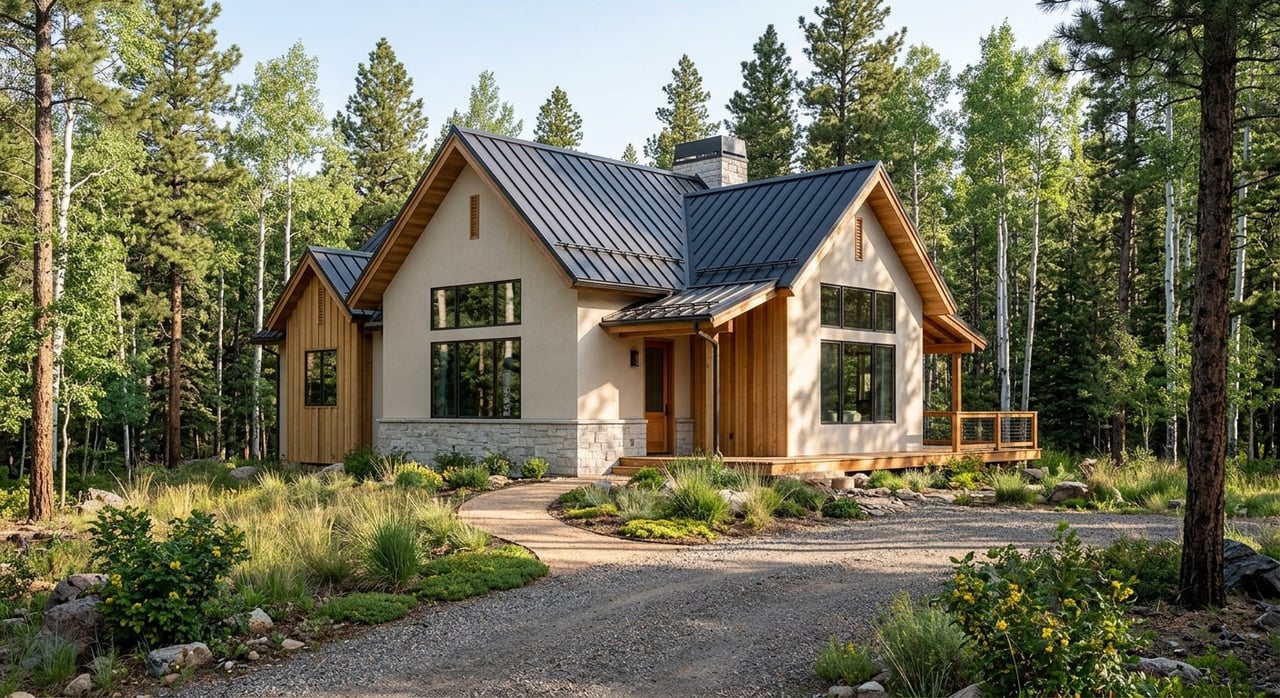
Is the Grand Mesa Second Home Lifestyle Right for You?
June 18, 2026
June 18, 2026
Wondering whether Grand Mesa offers the same kind of mountain-town lifestyle as places like Breckenridge, Vail, Telluride, or Crested Butte? If you are dreaming about a cabin, second home, or quieter base in western Colorado, that is an important question to ask. The good news is that Grand Mesa stands apart in a way that works well for many buyers, especially if you want scenery, outdoor access, and a slower pace without a resort-centered setting. Let’s dive in.
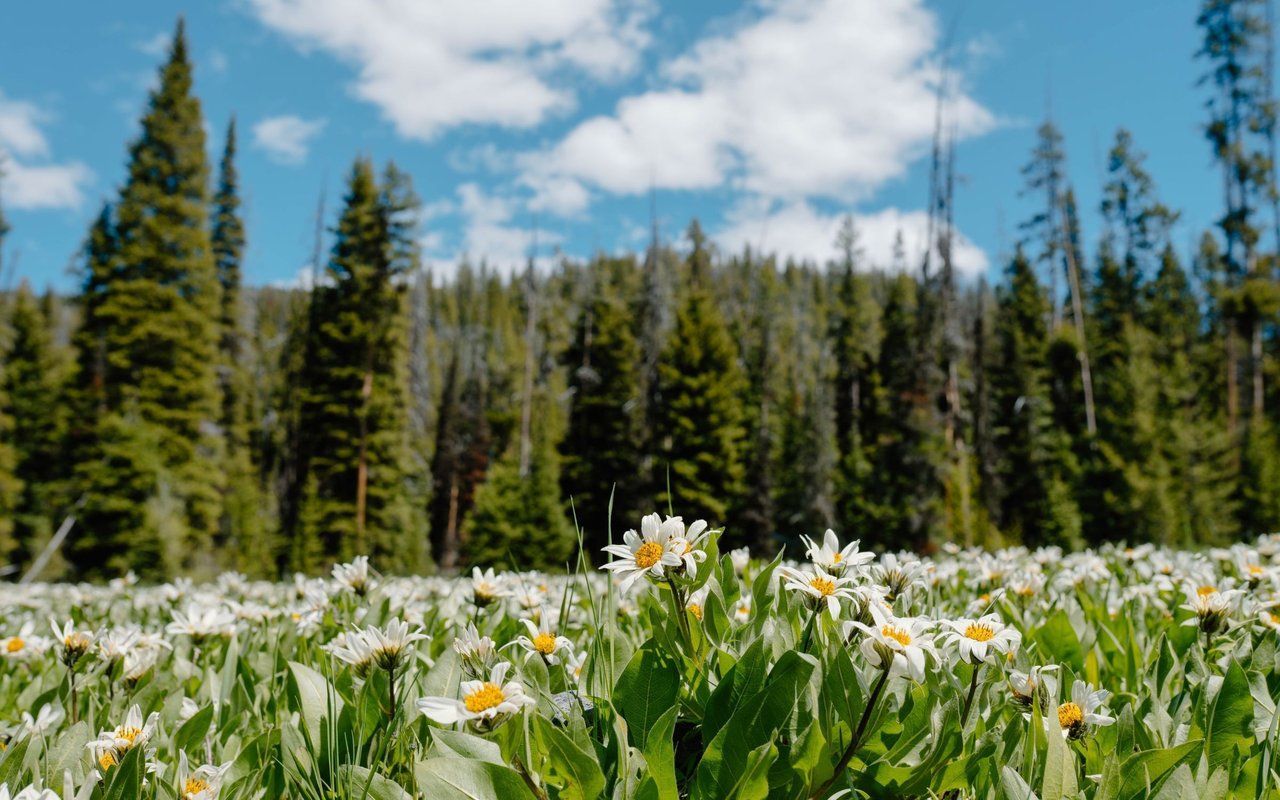
Grand Mesa is not a ski village or a dense resort town. It is a broad high-country plateau, and the USDA Forest Service describes it as the largest flat-top mountain in the world. That alone gives it a different identity from mountain towns built around walkable downtowns, ski lifts, and busy visitor districts.
The setting around Mesa, Colorado reinforces that difference. Mesa County describes Mesa as a small community of about 800 people, and the Mesa and Powderhorn planning area includes two rural communities connected by Highway 65. In practical terms, you are looking at a dispersed mountain setting with more open space and fewer concentrated commercial hubs.
The Grand Mesa Scenic & Historic Byway also shapes how the area feels. The route runs 63 miles and takes about two hours to drive, climbing from I-70 to around 11,000 feet above sea level. Instead of arriving in a resort core, you move through changing scenery, forests, lakes, and byway stops that feel spread out and scenic.
For many buyers, Grand Mesa’s biggest draw is simple: it gives you mountain access without the structure of a resort town. If you picture weekends that revolve around lakes, trails, scenic drives, and cabin time, this area can be a strong fit. The lifestyle feels self-directed, quiet, and outdoors-first.
That appeal is especially clear if you want a second home or high-country retreat. Grand Mesa has a rustic cabin culture that feels tied to the land and the landscape, not to a commercial village experience. It is a place where the setting does the heavy lifting.
There is also a real local community here, just on a smaller scale. The Mesa Community Center hosts weddings, concerts, youth sports, classes, meetings, and holiday celebrations. That tells you Mesa is not just a pass-through destination, even though it stays rural and low-density.
If you compare Grand Mesa to Colorado resort towns, one of the biggest differences is what organizes daily life. In many resort communities, the town center, shops, restaurants, and ski infrastructure shape the experience. On Grand Mesa, recreation across the landscape is the main attraction.
The Grand Mesa and the broader GMUG National Forests offer over 300 lakes and 3,600 miles of streams. The Forest Service also reports more than 3,500 miles of trails in the GMUG. That gives you a huge range of ways to spend time outdoors without relying on a single resort base.
Activities on Grand Mesa include:
The area is also practically accessible in some useful ways. The Forest Service notes that Grand Mesa can be accessed by passenger car, and fishing options range from wade fishing and fly fishing to motorized boating, float tubes, and ice fishing. That makes the area feel usable and flexible, not just beautiful to look at.
The clearest way to compare Grand Mesa with mountain towns like Breckenridge, Vail, Telluride, and Crested Butte is to think about density, convenience, and pace. Those well-known destinations offer a more built-out visitor experience. Grand Mesa offers a quieter, more spread-out alternative.
Breckenridge describes itself as a world-renowned destination resort with a lively historic Main Street, more than 200 shops and restaurants, ski-to-town trails, and gondola access between the mountain and town. That creates a social, walkable, amenity-rich experience that many travelers love.
Vail highlights 5,289 skiable acres, 17 miles of recreation paths, special events, and major resort infrastructure. Telluride emphasizes a compact destination setting with boutiques, galleries, restaurants, and a free gondola connection between Telluride and Mountain Village. Crested Butte combines a nearby ski resort with shuttle access, festivals, restaurants, shops, and galleries.
Grand Mesa is simply built differently. Recreation is spread across forests, lakes, trails, and scenic routes rather than concentrated in a downtown or resort base. Nearby communities are small, and the commercial footprint is lighter.
Here is a simple comparison:
| Feature | Grand Mesa | Resort Towns like Breckenridge, Vail, Telluride, Crested Butte |
|---|---|---|
| Overall feel | Quiet, rural, dispersed | Dense, visitor-oriented, more commercial |
| Main draw | Lakes, trails, scenery, cabin life | Ski access, dining, shopping, events |
| Community pattern | Small communities connected by highway | Defined resort towns or village cores |
| Services | More limited in some stretches | More built-in convenience and infrastructure |
| Pace | Slower, self-directed | Busier, more structured |
Grand Mesa’s quiet appeal comes with tradeoffs, and it helps to be honest about them. If you want easy access to a long list of restaurants, shops, events, and resort services, Grand Mesa may feel too limited. Colorado DOT notes that services between Cedaredge and Mesa are limited, which is an important everyday consideration.
Seasonality also affects how the area functions. The Grand Mesa Visitor Center is open from Memorial Day weekend through the last Sunday of September, and Colorado DOT notes that the Lands End Road portion of the byway closes during winter. So while Grand Mesa supports four-season recreation, some access points and services still follow a seasonal rhythm.
For some buyers, those tradeoffs are exactly the point. Less infrastructure often means less bustle and a more private, unplugged experience. For others, it may signal the need to plan ahead more carefully when it comes to supplies, travel routes, and year-round use.
If you are drawn to the idea of a mountain cabin, Grand Mesa has a strong story to tell. The Forest Service says there are eight cabins available to rent in the GMUG, describing them as great summer and fall getaways and quiet ski-in adventures. That captures the area’s personality well.
Grand Mesa also carries a sense of history that feels more rustic than polished. The Raber Cow Camp Interpretive Hike features historic cabins tied to 1940s and 1950s cow-camp life, and those cabins are listed on the National Register of Historic Places. That kind of detail adds to the feeling that Grand Mesa is rooted in working-landscape history rather than shaped around tourism alone.
For buyers considering high-country parcels, cabins, or second homes in Mesa County, that distinction matters. Grand Mesa often appeals to people who want a retreat that feels grounded, scenic, and a little more off the beaten path.
Grand Mesa may be a strong fit if you want your mountain lifestyle to feel quieter and more independent. It can work well for buyers who care more about direct access to nature than about being near a busy town center. It can also appeal to second-home buyers who value privacy and a strong sense of place.
You may want to look more closely at Grand Mesa if you are seeking:
You may prefer a traditional resort town if you want:
If you are comparing Grand Mesa with other Colorado mountain areas, the right choice depends on how you want to spend your time. Do you want a destination with shops, events, and resort convenience at your doorstep? Or do you want a quieter base where lakes, trails, and open space take center stage?
That is where local guidance matters. In Mesa County, even two mountain properties can offer very different access, seasonal patterns, and lifestyle tradeoffs. Having a hands-on local team can help you sort through those details with a clear picture of what fits your goals.
Whether you are looking for vacant land, a high-country retreat, or a home base that connects you to the Grand Valley and Grand Mesa lifestyle, working with brokers who understand both the terrain and the practical side of property can make your search much smoother. If you are exploring mountain property in Mesa County, Kelley Griffin can help you compare options and find the right fit for how you want to live.
Stay up to date on the latest real estate trends.

Blog
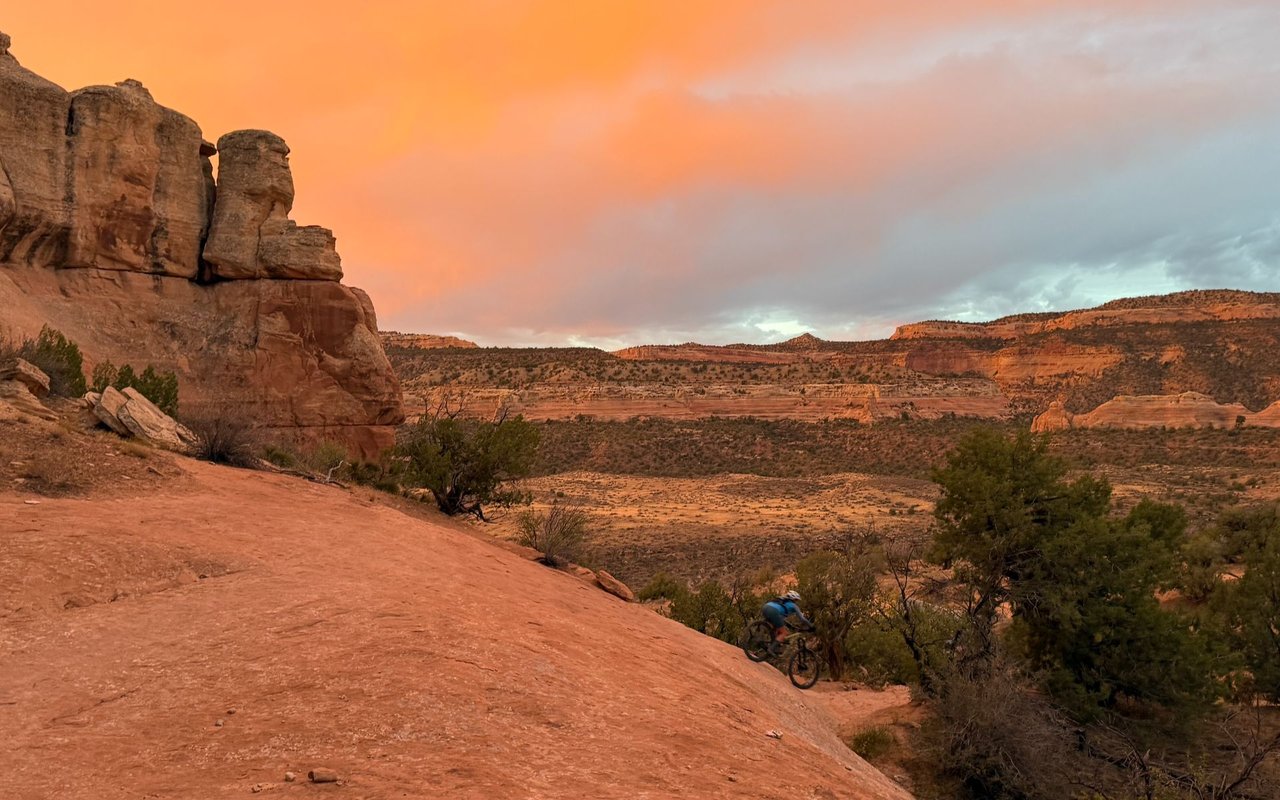
Why now might be the best time to buy
Blog
A local look at the lifestyle, community, and livability that set Fruita apart
Blog
Life with three little boys is naturally a bit wild.
Blog
A family's dream cabin on the Grand Mesa becomes a reality.
We live, work, and serve in the community we love. Our deep market knowledge means smarter pricing, stronger offers, and confident decisions.
THE GRIFFIN TEAM
COLDWELL BANKER DISTINCTIVE PROPERTIES
Agent phone: 970-589-6555
Office Phone: 970-243-0456
131 N. 6th Street Grand Junction, CO 81501