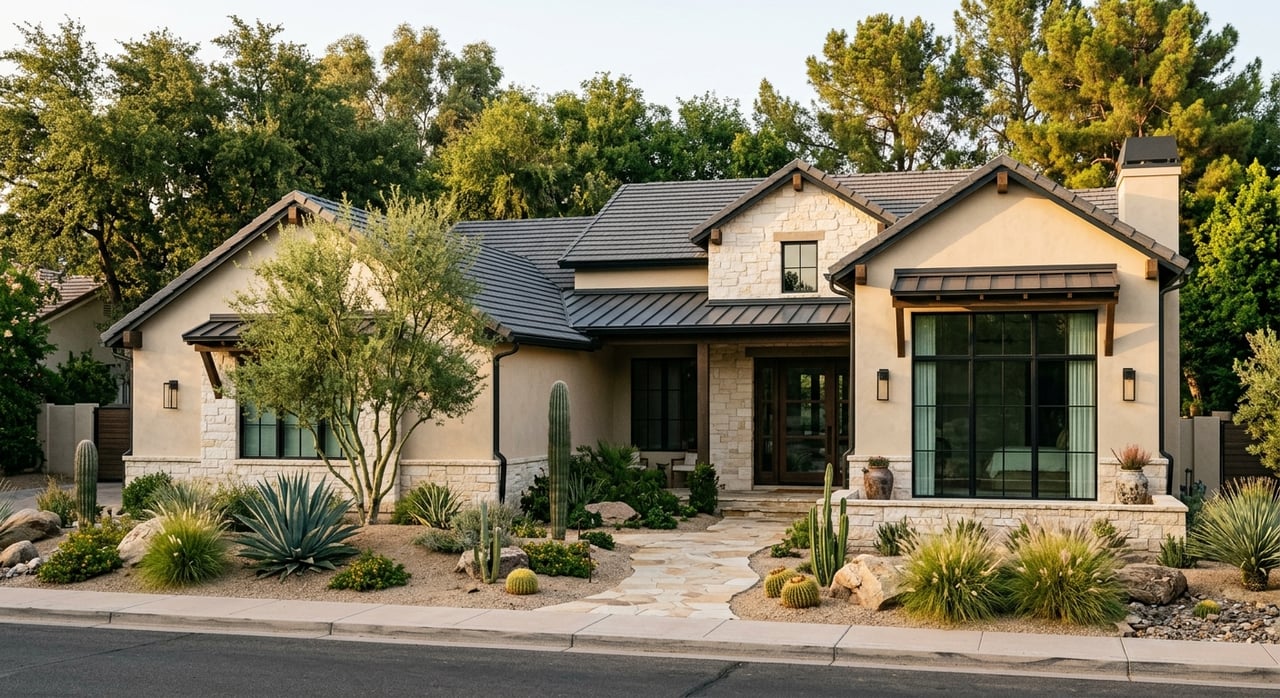
Redlands Home Styles And Neighborhood Types Explained
July 9, 2026
July 9, 2026
If you have been searching Redlands homes and wondering why one street feels spacious and established while another feels more planned and compact, you are not imagining it. Redlands is not defined by one home style or one neighborhood pattern, and that is exactly what makes it interesting for buyers. Once you understand how lot size, topography, planned developments, and trail access shape the area, your search gets much easier. Let’s dive in.
Redlands is best understood as the west-side planning area of Grand Junction, not a separate city. Local planning documents have long treated it as part of a joint planning area, and the current One Grand Junction Comprehensive Plan still uses Redlands to describe both urban infill and suburban infill patterns.
That planning history matters because it explains why Redlands does not look or feel the same from one pocket to the next. Instead of one uniform neighborhood identity, you get a mix of older low-density streets, planned developments, view-focused areas, and newer growth corridors.
Its setting also plays a big role. With the Colorado National Monument, BLM land, the Colorado River corridor, Connected Lakes, and the Riverfront trail network nearby, many buyers compare Redlands neighborhoods by views, trail access, and terrain just as much as by drive times.
If you picture Redlands as only large-lot detached homes, that is only part of the story. Older planning language for the area includes everything from larger residential lots to medium-density housing, along with condos, duplexes, triplexes, townhomes, and multi-family homes.
In plain terms, Redlands housing usually falls on a spectrum. On one end, you will find homes on larger lots with more separation between neighbors. On the other end, you will see more compact housing types in select pockets, especially where newer projects introduced attached or higher-density options.
That range is one reason Redlands appeals to different kinds of buyers. You may be looking for extra elbow room, a lock-and-leave setup, a newer build, or a home near outdoor access, and Redlands can offer more than one path.
In Redlands, lot size and density patterns are often more useful than trying to label the area by architecture alone. Older planning categories described several common land-use patterns:
For you as a buyer, that means the feel of a neighborhood can change quickly. A home on a larger lot may offer a very different sense of space and site layout than a home in a newer planned section, even if both are considered part of Redlands.
Topography can also affect what is possible on a parcel. In some areas, slope, drainage, or other land constraints may shape home placement, yard use, and future building options.
Some of the more established Redlands pockets were mapped around lower-density and medium-low-density patterns. Planning documents identify areas such as the Scenic Area, Rio Hondo Drive area, Swan Lane area, Peony Drive area, and parts of South Redlands and Broadway.
What does that tend to mean on the ground? Usually, you will notice more breathing room, less repetition from house to house, and a more mixed street pattern than you might find in a newer subdivision. If you like neighborhoods that feel shaped over time rather than built all at once, these interior streets are worth a closer look.
Because these areas can vary a lot parcel by parcel, it helps to evaluate each property in person or with detailed guidance. This is especially true when you care about lot usability, privacy, views, or renovation potential.
Some of Redlands was created through planned development rather than a standard subdivision grid. That matters because planned developments can have custom rules for density, setbacks, streets, circulation, and amenities.
The Ridges is one of the clearest examples. City records describe it as a planned unit development, and the City has also noted irrigation service in the Ridges development area and pressurized irrigation water serving the Redlands Mesa 18-hole golf course.
For buyers, this can translate to a more intentionally designed environment. Streets, landscaping, golf access, and overall neighborhood layout may feel more coordinated than in older parts of Redlands.
Redlands also includes newer, more compact product types. A useful example is Redlands Vista in The Ridges, which was rezoned for 56 residential units made up of two-story duplexes and two-story fourplexes, along with private streets and pedestrian connections.
This is a good reminder that Redlands is not only about large custom homes or wide lots. Depending on where you look, you may find lower-maintenance options that still place you close to the west-side landscape and amenities that draw people to the area.
If you are relocating, downsizing, or simply prefer less exterior upkeep, these pockets can be especially relevant. They offer a different entry point into Redlands than the area’s larger-lot reputation might suggest.
Connected Lakes is one of the clearest examples of a trail-and-water neighborhood type in Redlands. Colorado Parks and Wildlife describes the area as having six miles of paved and natural-surface trails, fishing piers, boating access, picnic areas, and connections to both the Audubon Trail and the South Rim area of the Redlands.
If your weekends revolve around walking, biking, paddling, or just being outside, this part of the area stands out. In Redlands, outdoor access is not just a bonus feature. For many buyers, it is part of how they define the right neighborhood.
The broader trail vocabulary matters too. The nearby Tabeguache Trail and Colorado National Monument trail access help explain why buyers often compare Redlands homes based on proximity to trailheads, canyon views, or mesa edges.
Tiara Rado, The Ridges, and Redlands Mesa form the strongest golf-and-view pocket in Redlands. The City describes Tiara Rado as a scenic 18-hole course at the base of Colorado National Monument, while Redlands Mesa and The Ridges are tied to planned-development features and design controls.
These areas often attract buyers who want a setting that feels visually dramatic and intentionally composed. The combination of golf, monument-adjacent scenery, and neighborhood planning creates a different experience from a conventional suburban street.
The City has also adopted rules allowing limited golf cart travel on streets in and around Redlands Mesa. That detail reinforces how some parts of Redlands function a bit differently from standard subdivisions.
One of the biggest newer-growth areas is the Broadway or Highway 340 corridor at 23 Road. The City says the Redlands 360 project is expected to include more than 1,300 homes at full buildout, and nearby infrastructure improvements were needed to serve that development.
For buyers who want newer housing options, this corridor is important to watch. It may offer more opportunities for view-oriented homes, mixed-density neighborhoods, and products that reflect newer planning trends on the west side.
If you are comparing resale homes with new construction, this part of Redlands can give you a clearer sense of where future inventory may appear. It can also help you weigh trade-offs between established streets and newer community layouts.
A simple way to understand Redlands is to compare it with nearby alternatives. Fruita tends to read as more compact and town-centered, with connected parks, open space, and hard-surface trails. Central Grand Junction is more urban, more grid-based, and more mixed-use.
Redlands falls somewhere in between. It is less uniformly compact than Fruita and less urban than central Grand Junction, but it offers a strong mix of lot diversity, topography, planned development, and outdoor access.
That is why two homes with similar square footage can feel very different here. In Redlands, your day-to-day experience may be shaped just as much by site conditions, views, trail proximity, and development pattern as by the home itself.
When you tour homes in Redlands, try to look beyond the listing photos and ask a few bigger-picture questions:
These questions can help you narrow your search faster. They also make it easier to match a property to how you actually want to live in Redlands.
Whether you are looking for a move-up home, a low-maintenance option, new construction, or land with long-term potential, local neighborhood context matters here. If you want help sorting through Redlands by lifestyle, lot type, and long-term fit, Kelley Griffin can help you make sense of the options with hands-on local guidance.
Stay up to date on the latest real estate trends.
Blog
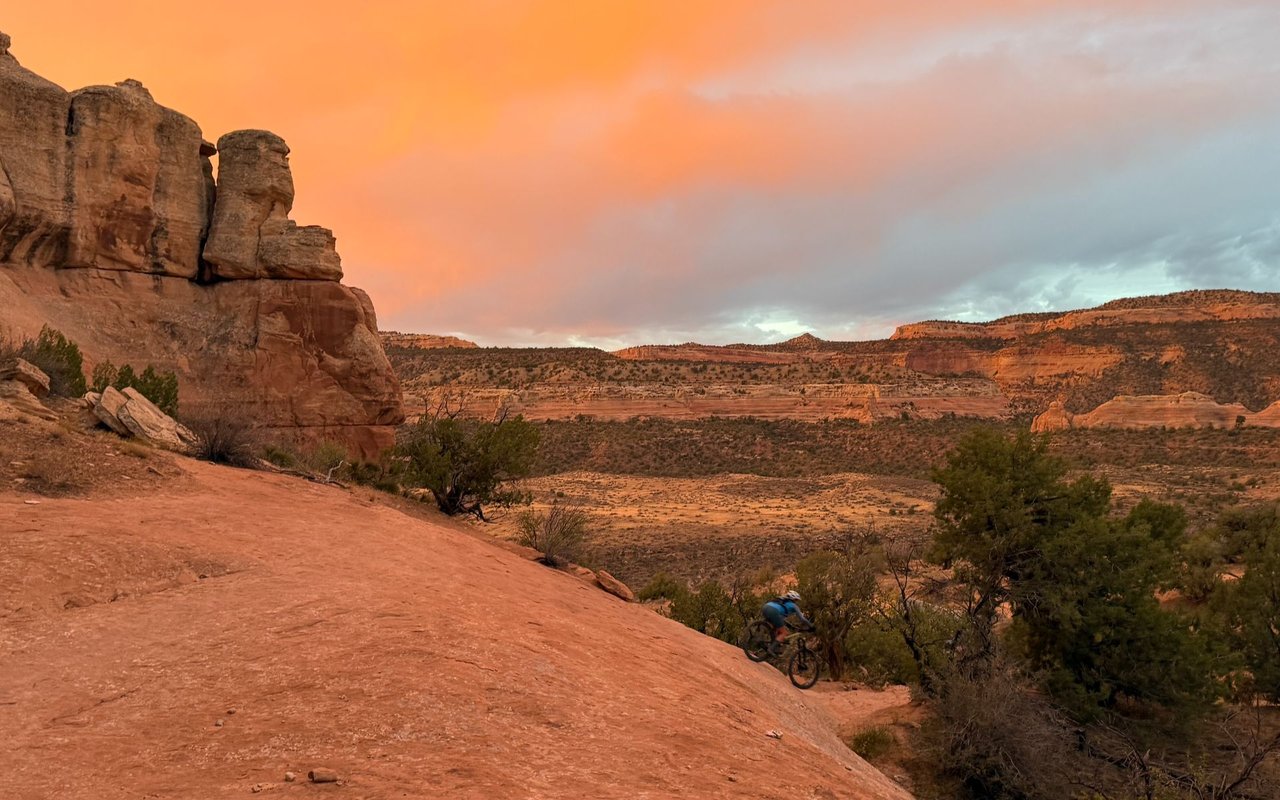
A local look at the lifestyle, community, and livability that set Fruita apart
Blog
Life with three little boys is naturally a bit wild.
Blog
A family's dream cabin on the Grand Mesa becomes a reality.
We live, work, and serve in the community we love. Our deep market knowledge means smarter pricing, stronger offers, and confident decisions.