Leave a Message

Thank you for your message. We will be in touch with you shortly.

Grand Mesa Cabin Life In All Four Seasons

February 5, 2026

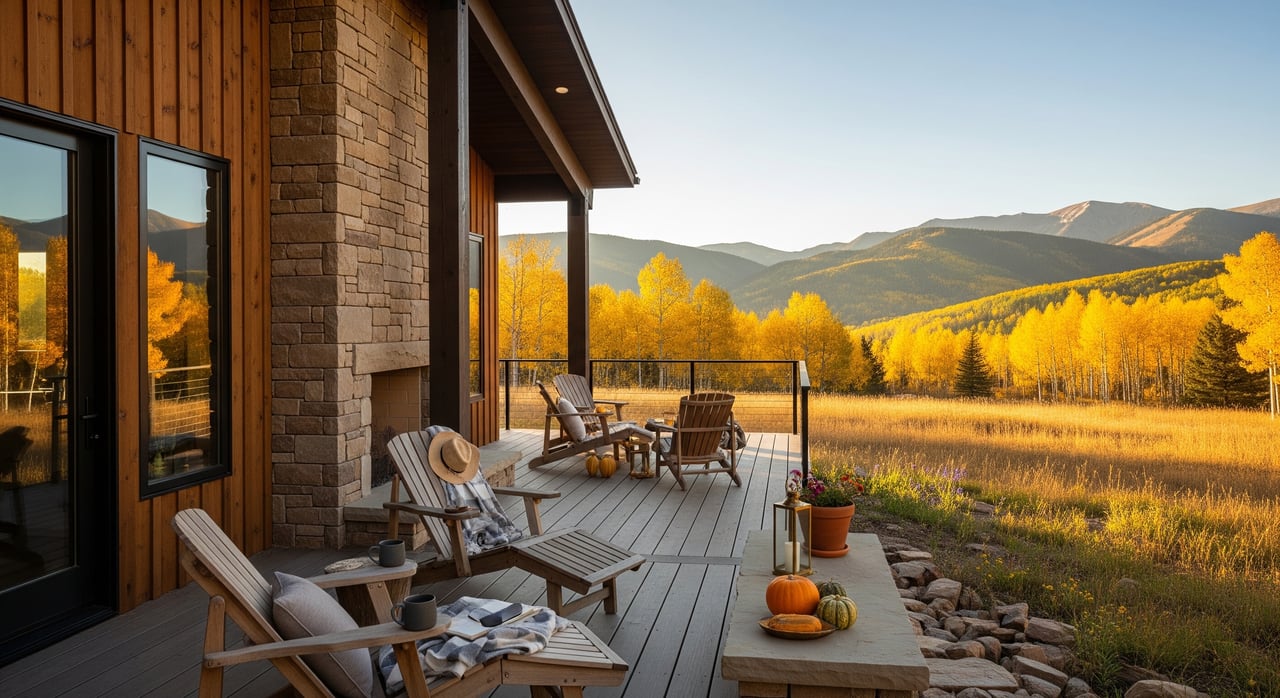
Picture yourself sipping hot coffee on a cabin porch while the sun lights up a sea of aspen and lakes on the world’s largest flat‑topped mountain. If you’re dreaming about a Grand Mesa retreat, you probably want clear, honest answers about the rhythm of life up there. In this guide, you’ll learn what each season really feels like, how access and utilities work at 10,000 feet, and the tradeoffs that come with deep snow, brilliant summers and true solitude. Let’s dive in.

Grand Mesa at a glance

Grand Mesa rises above the Grand Valley in Mesa and Delta counties with a broad plateau near 10,000 feet. Most of the land is public forest, dotted with private inholdings near lakes, roads and trailheads. Cabins range from rustic, off‑grid hideaways to winterized vacation homes with year‑round access. Many owners are second‑home buyers, outdoor enthusiasts and Grand Valley locals looking for a close mountain base.

Spring on Grand Mesa

Conditions and access

Snow lingers well into late spring. Expect freeze–thaw cycles, muddy stretches and some unplowed side roads until crews reopen them. Early in the season, you may need to keep plumbing winterized until nighttime freezes ease. Around lakes and low spots, ground stays soggy as snow melts.

How to enjoy spring

As ice comes off, fishing can be excellent. Higher pockets still hold snow for snowshoeing or a last cross‑country tour. On calm days, you’ll find quiet trails and wide views without summer crowds.

Owner checklist

  • Verify seasonal road opening dates with state and county sources and check forest notices for current conditions.
  • Keep an eye on runoff near driveways and culverts to avoid erosion.
  • Watch for mosquitoes as temperatures rise near thawing water.

Summer on Grand Mesa

Conditions and activities

Days are cool to mild with crisp nights, perfect for hiking, mountain biking, horseback riding and time on the water. Lakes and reservoirs across the plateau are the main draw. On‑mesa businesses and marinas run primarily in summer, while gateway towns handle gas, groceries and supplies.

Owner realities

Weekends and holidays can feel busy at popular trailheads. Internet and cell coverage vary by spot, so test what works at your property. Afternoon thunderstorms pop up at times, bringing lightning and short bursts of heavy rain.

Maintenance to plan

  • Grade long driveways if needed and service drainage.
  • Inspect septic systems and schedule pumping on a regular cadence.
  • Trim vegetation and create defensible space ahead of fire season.

Fall on Grand Mesa

What to expect

Aspens usually peak from late September into early October, with timing shifting by year and elevation. Days stay crisp, nights turn cold fast, and many seasonal businesses begin to scale back hours.

Best ways to enjoy

You’ll find quieter trails, great photography, and calm weekends at the cabin. Hunting seasons in surrounding public lands bring activity in designated areas, so plan your outings accordingly.

Prep before first snow

  • Winterize plumbing if you will leave the cabin vacant.
  • Service chimneys, clean gutters and check flashing.
  • Seal windows and doors to tighten the envelope for winter.

Winter on Grand Mesa

Conditions and recreation

Winters are long and snowy at high elevation. The plateau supports deep‑snow recreation like snowmobiling, cross‑country skiing, snowshoeing and ice fishing. Alpine skiing is available at Powderhorn Mountain Resort on the flanks of the mesa.

Access and safety

You need a winter‑capable vehicle and familiarity with icy grades. After big storms, some roads close temporarily. Long private driveways require a plowing plan and budget. Expect slower service response in tough weather.

Winter‑proofing your cabin

  • Ensure roofs and structures are rated for heavy snow loads.
  • Protect plumbing with insulation, heat trace or drain‑down systems.
  • Maintain reliable heat with propane, wood or backup generators.

Practical buying considerations

Access and roads

  • Confirm if access roads are maintained year‑round and by whom. Get any private road or plowing agreements in writing.
  • Evaluate driveway slope, surface and snow storage areas. Budget for regular plowing and occasional sanding.

Utilities and connectivity

  • Water: Many cabins use wells, springs or cisterns. Well yield varies by parcel and geology, and permits run through county and state agencies.
  • Sewer: On‑site septic is common. County health departments handle permits and inspections.
  • Power and heat: Grid electricity exists in many pockets. Some properties are off‑grid and rely on propane, solar, generators and wood stoves. Plan for higher heating fuel use at altitude.
  • Internet and cell: Coverage can be spotty. Many owners rely on satellite broadband. Test carriers at the site.

Permits, zoning and building

  • Counties oversee building, well and septic permits. Proximity to national forest may influence uses and access, and special use permits apply on federal land.
  • Firewise and fuel‑mitigation programs may guide or require defensible space.

Insurance and taxes

  • Insurance can cost more due to wildfire exposure, limited emergency access and snow loads. Some insurers require mitigation measures like ember‑resistant vents or non‑combustible roofing.
  • Property taxes vary by county and property type. Ask the assessor about rates and how seasonal use may affect classification.

Ongoing costs

  • Snow removal for driveways and sometimes roofs.
  • Heating fuel and backup power.
  • Septic pumping and routine road or drainage work.
  • Contractor travel fees for remote service calls.

Buyer due diligence checklist

  • Confirm access: year‑round maintenance status, snowplow responsibilities and any private road agreements.
  • Verify utilities: well production, septic permits, electrical service, propane options and realistic internet or cell coverage.
  • Inspect for winter readiness: roof and snow‑load history, heating systems, insulation and pipe protection.
  • Check records: county health and building files for permits, past inspections and code compliance.
  • Assess wildfire risk: request insurer requirements and review local mitigation guidance.
  • Verify water rights and well documentation; consider a well test or hydrogeologist review.
  • Review tax history with the county assessor for mill levies and special assessments.
  • Research land‑use overlays, easements or restrictions near national forestlands.
  • Map emergency access: nearest hospital and estimated winter response times.
  • Decide on use: year‑round, weekend or short‑term rental. Verify county and any HOA rules for rentals.

Risks and stewardship

Wildfire

Forested high country carries wildfire risk. Create defensible space, harden structures with fire‑resistant materials where possible and follow local evacuation planning.

Avalanche and steep slopes

The plateau is mostly flat, but steep flanks and wind‑loaded areas can carry avalanche hazards in winter. Use caution when traveling on or below steep terrain during snow season.

Wildlife

You may see elk, deer, moose in some areas, black bears and mountain lions. Store food properly, manage trash and avoid attractants.

Water and habitat

Lakes and wetlands support fisheries and sensitive habitat. Understand well permits and any water rights attached to your parcel. Practice careful site work to protect soils and waterways.

Is Grand Mesa cabin life right for you?

If you crave four‑season recreation, cool summers, fall color and quiet winter days, a Grand Mesa cabin can be a perfect fit. You need to be comfortable with snow management, planning ahead for supplies and a bit of isolation during storms. The rewards are big: access to trails and lakes, starlit skies and a true retreat within driving distance of the Grand Valley.

Want guidance on access, septic and wells, build potential or winter readiness? Our team brings local insight and construction‑savvy advice to help you evaluate the right parcel and plan for life at altitude. When you are ready to take the next step, connect with Kelley Griffin for hands‑on help from search to closing.

FAQs

How harsh are winters on Grand Mesa?

  • Winters are long and snowy compared with the valleys, so plan for reliable heat, snow removal and winter‑capable vehicles.

Can I use a Grand Mesa cabin year‑round?

  • Some cabins are winterized with maintained access, while older seasonal cabins may lack winter services; verify road plowing, heat systems and utilities.

Are utilities reliable at high elevation?

  • It depends on the parcel; many use wells and septic, grid power exists in places, and internet or cell can be limited, so test options and consider satellite.

What costs should I expect beyond the mortgage?

  • Budget for plowing, heating fuel, septic maintenance, road or driveway upkeep, higher insurance and occasional contractor travel fees.

Is wildfire a major concern for cabins?

  • Yes, forested areas face wildfire risk; insurers may require mitigation, and defensible space is strongly recommended.

Are short‑term rentals allowed on the mesa?

  • Rules vary by county and any HOA; check Mesa and Delta county regulations and confirm permit requirements before you buy.

The Key to Great Service

We live, work, and serve in the community we love. Our deep market knowledge means smarter pricing, stronger offers, and confident decisions.