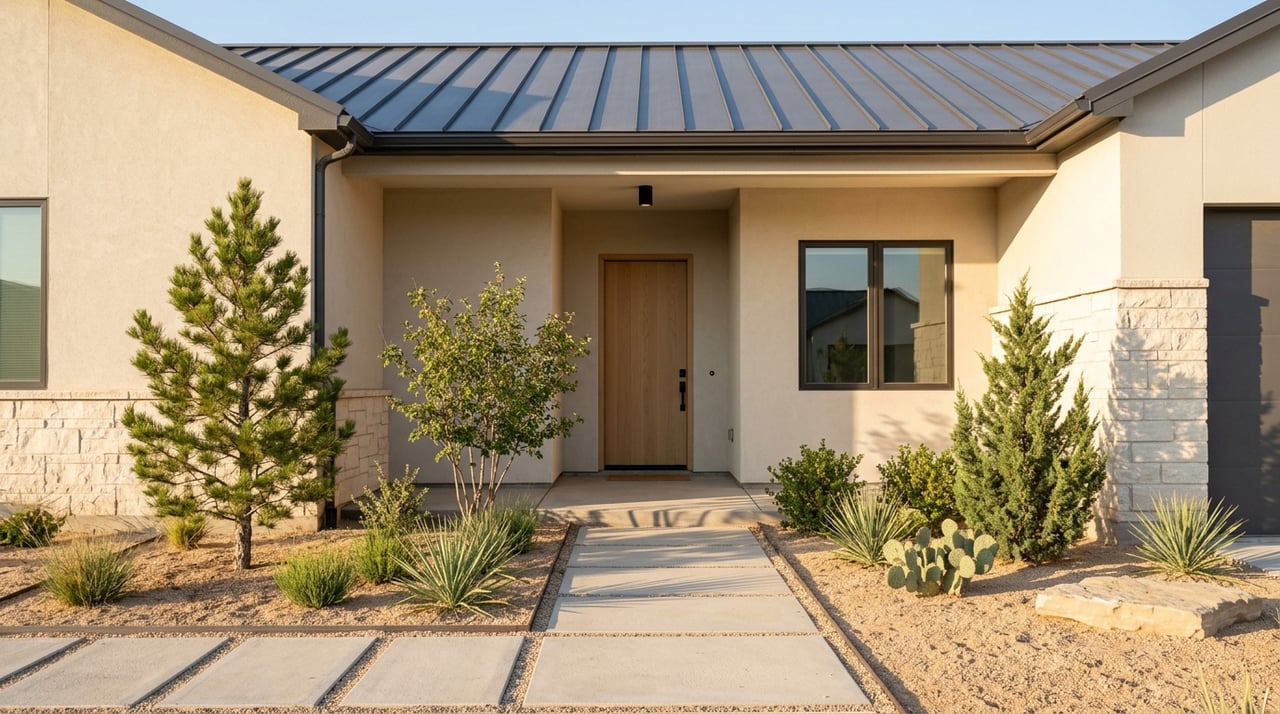
Grand Junction Housing Market Trends to Watch This Season
May 7, 2026
May 7, 2026
Is the Grand Junction housing market finally shifting, or is it still moving too fast to catch your breath? If you are planning to buy or sell this season, that question matters because the market is no longer as frantic as it was a few years ago, but it is not standing still either. The latest data shows a market with more choices, slightly slower timing, and prices that are still holding up. Let’s dive in.
The clearest takeaway this season is that the Grand Junction market is active, but less urgent than it was last year. In March 2026, the Grand Junction Area REALTOR market area reported 435 new listings, up 14.2% year over year, while sold listings fell 7.6% to 242. Active listings climbed to 811, up 19.4%, which gives buyers more options and gives sellers more competition.
Prices are still moving up, just at a steadier pace. The local MLS reported a median sold price of $410,000, up 3.8% from a year ago, and an average sold price of $470,965, up 6.0%. That tells you values have not dropped off, but the pace feels more measured than the rapid jumps buyers and sellers saw in the hottest part of the cycle.
Timing has also changed. The local MLS showed 96 days on market, up 5.5% year over year, and year-to-date days on market rose to 111. In simple terms, homes are still selling, but many are taking longer to get there.
Inventory is one of the biggest trends to watch in Grand Junction right now. When new listings rise faster than demand, the market naturally starts to feel less intense. That is exactly what the March data suggests, with listings up and both sold and pending activity down from last year.
Months of supply helps explain the bigger picture. Grand Junction came in at 3.2 months of supply in March 2026. That is still below the 4 to 6 month range often used to describe a balanced market, so this is not a full buyer’s market, but it is less seller-dominated than it was before.
For you as a buyer, that means more breathing room. For you as a seller, it means pricing and presentation matter more because buyers can compare more homes before making a decision.
One of the most important things to watch this season is how much conditions vary across Mesa County. Buyers and sellers are not competing in one giant pool. They are moving through smaller, overlapping markets with different inventory levels and price points.
In March 2026, Realtor.com reported 961 homes for sale in Grand Junction, compared with 171 in Fruita, 135 in Clifton, 83 in Redlands, 53 in Palisade, 40 in Orchard Mesa, and 23 in Loma. That difference matters because supply can shape how much competition you face and how quickly a home may move.
Prices also vary sharply by area. Realtor.com reported a median listing price of about $480,000 in Grand Junction, while Clifton was around $322,450, Palisade was $639,000, Redlands was $749,200, and Loma was $929,900. If you are shopping or selling in Mesa County, it helps to think in micro-markets rather than assuming every area behaves the same way.
Prices in Grand Junction are still trending upward, but the market no longer looks overheated. Along with the local MLS median sold price of $410,000, Redfin reported a March 2026 median sale price of $415,000, and Zillow put the typical home value at $422,320. Even though the numbers are not identical, the pattern is consistent.
Another useful signal is the gap between asking prices and final sales prices. Sellers in the local MLS received 98.6% of list price on average, while Redfin reported 98.3% sale-to-list and Realtor.com showed a 99% sale-to-list ratio for Mesa County. That suggests buyers may have some room to negotiate, but deep discounts are not the norm on well-priced homes.
This is why pricing strategy matters so much right now. If a home enters the market at a realistic price, it can still perform well. If it comes on too high, the growing number of active listings gives buyers plenty of reasons to wait or move on.
If you are buying in Grand Junction this season, the biggest change is that you may have more time to make thoughtful decisions. With more listings available and homes generally taking longer to sell, you are less likely to face the kind of instant pressure that defined the tightest years.
That said, not every listing will move slowly. Redfin reports that some homes still receive multiple offers, and hot homes can go pending in about 11 days. Move-in-ready homes and well-priced properties can still attract quick attention, especially in popular segments.
A smart buyer approach this season includes a few basics:
Affordability remains a real issue in this market. The local MLS affordability index was 84 in March 2026, which means the median household income was still below what is needed to qualify for the median-priced home at prevailing rates. If you are buying, your monthly budget may shape your choices just as much as inventory does.
If you are selling, the season calls for realism and preparation. More inventory gives buyers choices, so your home needs to stand out for the right reasons from day one. The market is still supportive of sellers in many segments, but it is less forgiving of overpricing.
The March numbers make that clear. Active listings were up 19.4%, pending sales were down 6.0%, and days on market increased. When that happens, the homes that tend to do best are the ones that are well prepared, well marketed, and closely aligned with comparable sales.
Before listing, focus on the factors you can control:
This is where local strategy matters. A historic downtown home, a newer subdivision property, a vacant lot, or acreage outside town may all move on different timelines. In a market like Grand Junction, sellers benefit from advice that fits the specific property type and location rather than a one-size-fits-all approach.
This season is especially sensitive to price point and property type. Entry-level homes, upper-end homes, land, mobile homes, acreage, and new construction do not all move at the same speed. The broader market may be loosening, but individual segments can still behave very differently.
That is important in the Grand Valley, where buyers often search across a wide range of lifestyles and property uses. Some want an in-town home with easy access to daily conveniences. Others are looking at new construction, a renovation opportunity, or land with long-term potential.
If you are buying or selling one of these more specialized property types, broad market headlines only tell part of the story. The better question is how your segment is performing right now and how buyers in that category are responding to price, condition, and location.
The most likely near-term pattern is more balance, not a dramatic swing. Prices are still up modestly, inventory is improving, and homes are taking longer to move than they did in the peak frenzy years. That points to a market with opportunity for both buyers and sellers, but fewer easy wins.
For buyers, this can be a season to act with more patience and better information. For sellers, it can be a season to succeed with smart pricing and strong presentation. In both cases, the details matter more now because the market is less about momentum and more about strategy.
If you want help reading the numbers through the lens of your specific goals, local context makes a big difference. Whether you are buying your first home, planning a move across the Grand Valley, or preparing to sell land, new construction, or an existing home, Kelley Griffin offers hands-on guidance rooted in the way this market really works.
Stay up to date on the latest real estate trends.
Blog
A local look at the lifestyle, community, and livability that set Fruita apart
Blog
Life with three little boys is naturally a bit wild.

Blog
A family's dream cabin on the Grand Mesa becomes a reality.
We live, work, and serve in the community we love. Our deep market knowledge means smarter pricing, stronger offers, and confident decisions.

THE GRIFFIN TEAM
COLDWELL BANKER DISTINCTIVE PROPERTIES
Agent phone: 970-589-6555
Office Phone: 970-243-0456
131 N. 6th Street Grand Junction, CO 81501