
Fruita CO Cost of Living Guide for Newcomers
December 18, 2025
December 18, 2025
Thinking about moving to Fruita and wondering what it really costs to live here? You are not alone. Many newcomers compare the Western Slope to bigger Colorado metros and want a clear picture before they pack a truck. In this guide, you will see how housing, utilities, commuting, and outdoor lifestyle choices shape a realistic Fruita budget and where tradeoffs can save you money. Let’s dive in.
Fruita sits in Mesa County on Colorado’s Western Slope, close to the Colorado River and the Grand Junction regional hub. That proximity influences housing demand, services, and commuting patterns. Outdoor recreation is a major draw, which affects prices near popular trail networks and can tighten rental availability in certain seasons. Fruita’s small-city scale also means you rely on county and regional infrastructure more than you might in a large metro.
Local taxes and regulations play a role too. Colorado has a statewide flat income tax, and your sales tax rate is a combined total of state, county, and city. Property taxes in Colorado tend to be lower than the national average, but actual bills vary by taxing district and the assessed value of a specific home.
Housing is your biggest line item. Whether you rent or buy, start by listing the full cost components so nothing surprises you later.
Several local factors can nudge your budget up or down. Homes with larger garages or secure gear storage are very popular with outdoor enthusiasts and often sell or rent at a premium. Proximity to trailheads can command higher prices or reduce the number of long-term rentals. On the other hand, neighborhoods farther from the trail systems or closer to Grand Junction job centers can shift your tradeoffs between housing cost and commute.
If you plan to own, understand how assessments and mill levies translate to an annual property tax bill for a specific address. Insurance premiums also vary if a home sits near higher-risk zones for wind, wildfire, or flood. If you plan to rent, expect storage to be the wildcard. Apartments or small homes without garages can lower monthly rent but may require off-site storage for bikes, boats, or tools.
Plan for electricity, natural gas, water and sewer, trash, and internet. Seasonal changes matter in the Grand Valley. Winters are milder than high-country towns, though nights can be cold, and summer cooling can raise electric use. If you are on the rural fringe, factor in septic maintenance, irrigation, or well considerations.
Internet availability can vary by neighborhood. Some areas popular with remote workers have fiber or high-speed options, while others rely on cable or fixed wireless. Always confirm provider options at a specific address before you sign a lease or write an offer.
Fruita and the broader Grand Valley are car oriented. Public transit exists at the county and municipal level but is more limited than large metros. Many residents commute to work in Grand Junction or nearby employment centers, so fuel, insurance, maintenance, and time behind the wheel are part of most budgets.
If your lifestyle includes unpaved county roads, seasonal dust, or winter driving, budget a little extra for vehicle wear and timely maintenance. Relocating from out of state also means vehicle registration and license transfer fees, which can add to your first-year costs.
Grocery prices follow regional trends and can run slightly higher than very large metros due to scale. Everyday services are available in Fruita and across the Valley, though you may visit Grand Junction for some specialty shops or appointments. Healthcare is a regional strength, with major services located in the Grand Junction hospital system. That setup keeps access practical without big-city commutes.
Many people move to Fruita for the trails, rivers, and open space. Outdoor access is often free, but the lifestyle can still shape your budget.
A good rule is to build a monthly “recreation contingency” if trails and river days are a weekly routine. That way, you enjoy the lifestyle without derailing the rest of your budget.
Because taxes and fees change, confirm the current rates for your specific situation. A quick check before you buy big-ticket items or finalize a purchase can save you money.
Small choices add up. Here are common tradeoffs to consider in Fruita and the Grand Valley.
Use these frameworks to build your own numbers. Adjust line items to match your address and lifestyle.
Single renter close to trails
Couple with commuting jobs
Family buying a home with storage
You will find different value in different parts of Fruita and the Valley. Use this quick comparison to think about your fit.
If garage space or a workshop is a must-have, make that a first filter rather than an afterthought. You will save time and avoid compromises later.
You deserve clear, local guidance that fits your lifestyle and your numbers. We live and work in Fruita, know the neighborhoods and trail systems, and understand how garage space, commute patterns, and seasonal demand affect value. With hands-on service and construction-savvy advice, we help you weigh tradeoffs, confirm true monthly costs, and choose a home that supports the way you want to live.
Ready to talk options and real numbers for your move? Work with Kelley Griffin to start your Grand Valley search with confidence.
Stay up to date on the latest real estate trends.

Blog
Why now might be the best time to buy
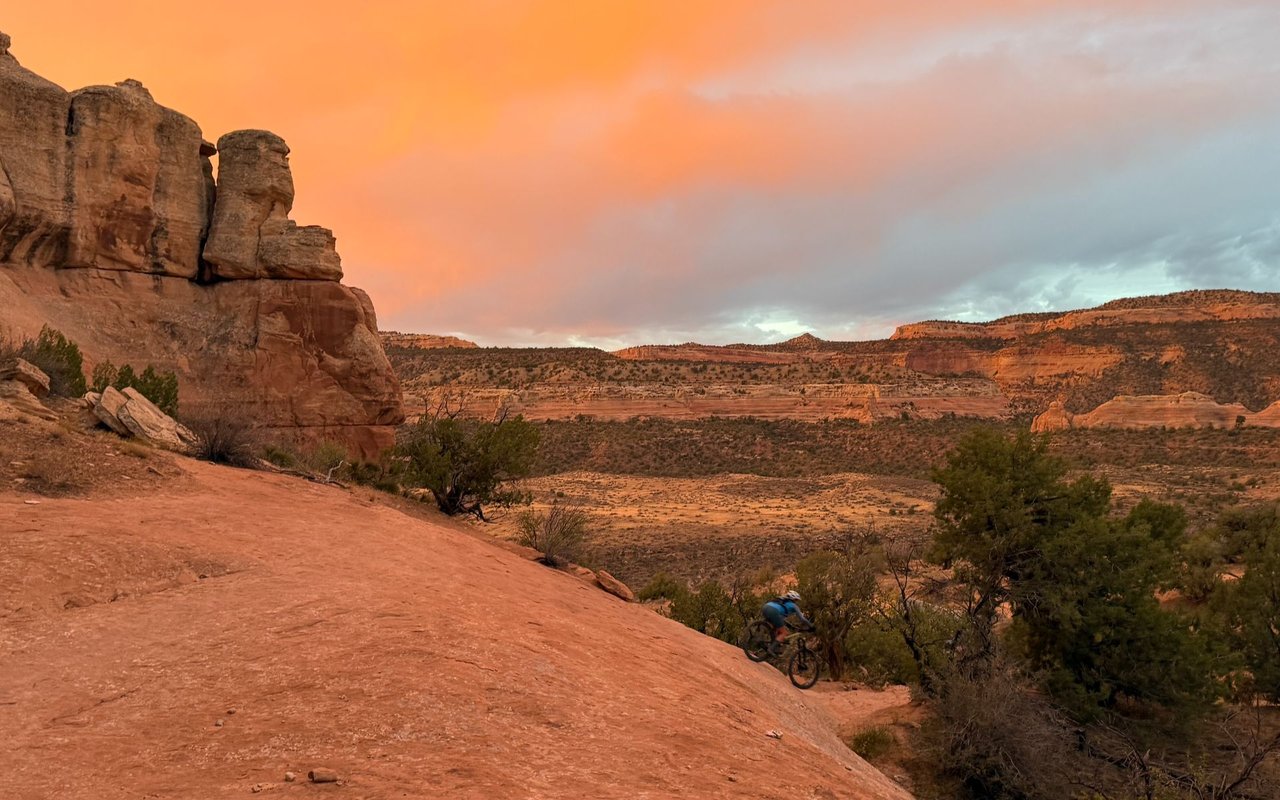
Blog
A local look at the lifestyle, community, and livability that set Fruita apart
Blog
Life with three little boys is naturally a bit wild.

Blog
A family's dream cabin on the Grand Mesa becomes a reality.
We live, work, and serve in the community we love. Our deep market knowledge means smarter pricing, stronger offers, and confident decisions.

THE GRIFFIN TEAM
COLDWELL BANKER DISTINCTIVE PROPERTIES
Agent phone: 970-589-6555
Office Phone: 970-243-0456
131 N. 6th Street Grand Junction, CO 81501