
Earnest Money for Colorado Buyers in Fruita
January 1, 2026
January 1, 2026
You have to put thousands of dollars at risk to buy a home, but what happens to that money if things change? If you are shopping in Fruita, the way Colorado handles earnest money and the separate due-diligence fee can be confusing at first. This guide breaks it down in plain language so you know how much to offer, how your deposit is protected, and how to avoid costly mistakes. Let’s dive in.
Earnest money is your good-faith deposit that shows a seller you plan to complete the purchase. You deliver it after the contract is signed, and it is credited to your down payment or closing costs at closing. The deposit makes your offer stronger, especially when a seller is comparing multiple offers.
If the sale closes, the funds apply to what you owe at the table. If you cancel correctly under the contract’s contingencies and timelines, your earnest money is typically returned. If you default without a valid contract reason, the seller may seek contract remedies that can include keeping the earnest money, depending on the language in your agreement.
In Colorado, earnest money is usually held in an escrow or trust account. The holder is often a title company or one of the brokers’ trust accounts. The purchase contract will name the holder and the deadline for delivery.
You should receive a written escrow receipt that shows the amount, who holds it, and the date it was received. Funds are released only according to written instructions or after a dispute is resolved. Brokers and escrow holders must follow Colorado rules for trust accounts and proper recordkeeping.
A key Colorado nuance is the common use of a separate due-diligence fee in addition to earnest money. The due-diligence fee is often paid directly to the seller and compensates them for taking the home off the market while you complete inspections and other investigations. It is often nonrefundable if you terminate after the due-diligence period, unless your contract says otherwise.
Earnest money is different. It is typically refundable if you cancel within the contract’s contingencies and deadlines, such as inspection, financing, appraisal, title, or HOA review. When you plan your offer in Fruita, consider both the earnest money and any due-diligence fee together so you understand your total upfront exposure.
Contingencies are contract clauses that give you time to investigate the property and your financing. If you follow the rules and timelines, they help you recover your earnest money when needed.
Colorado contracts often include a defined due-diligence period. During this time you inspect the home, review disclosures, and raise objections. If you terminate on time under the inspection terms, your earnest money is typically returned, though the seller may keep the due-diligence fee depending on the contract.
If you cannot obtain financing by the contract deadline, you can usually terminate and recover your earnest money if you provide the required written notice on time. Keep lender communications that support your notice.
If the home appraises below the purchase price and you cannot resolve the gap within the contract terms, you can terminate within the appraisal deadline and recover your earnest money. Watch the dates closely so you do not lose this protection.
You will have time to review title documents and, if applicable, HOA documents. If you object and cannot resolve the issue, you can terminate within the deadline and typically receive your earnest money back.
To use a contingency, you must act before the deadline and provide written notice as the contract requires. Save inspection reports, lender letters, and any related documents. Missing a deadline can convert a protected situation into a default, which puts your deposit at risk.
Earnest money amounts vary by price point and market conditions. In Fruita and greater Mesa County, a common range for many entry-level homes is about 1,000 to 5,000 dollars. For higher-priced properties or percent-based expectations, deposits are often about 1 to 2 percent of the purchase price, and sometimes higher in competitive situations.
Several factors influence the amount you offer:
Examples can help you frame expectations:
Local prices and competition change over time, so confirm current conditions with your agent before you write an offer.
If you are buying in Fruita, you deserve clear guidance that keeps your deposit safe and your offer competitive. Our team pairs neighborhood-level insight with steady communication so you always know what is due next and why it matters. When you have a construction question or a contract detail to weigh, you get practical, hands-on help.
Have questions about earnest money or structuring a winning offer in Fruita? Connect with Kelley & Dane at Kelley Griffin to start your Grand Valley search.
Stay up to date on the latest real estate trends.

Blog
Why now might be the best time to buy
Blog
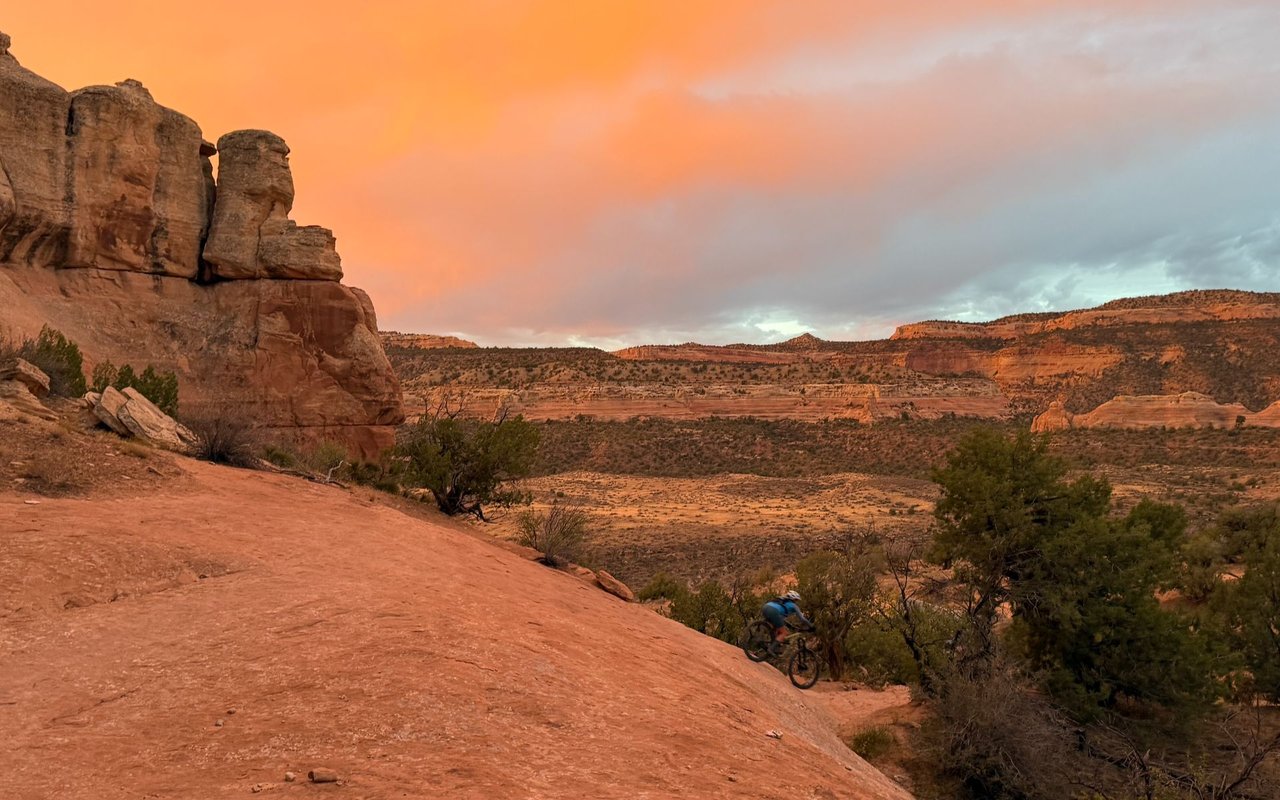
A local look at the lifestyle, community, and livability that set Fruita apart
Blog
Life with three little boys is naturally a bit wild.

Blog
A family's dream cabin on the Grand Mesa becomes a reality.
We live, work, and serve in the community we love. Our deep market knowledge means smarter pricing, stronger offers, and confident decisions.

THE GRIFFIN TEAM
COLDWELL BANKER DISTINCTIVE PROPERTIES
Agent phone: 970-589-6555
Office Phone: 970-243-0456
131 N. 6th Street Grand Junction, CO 81501