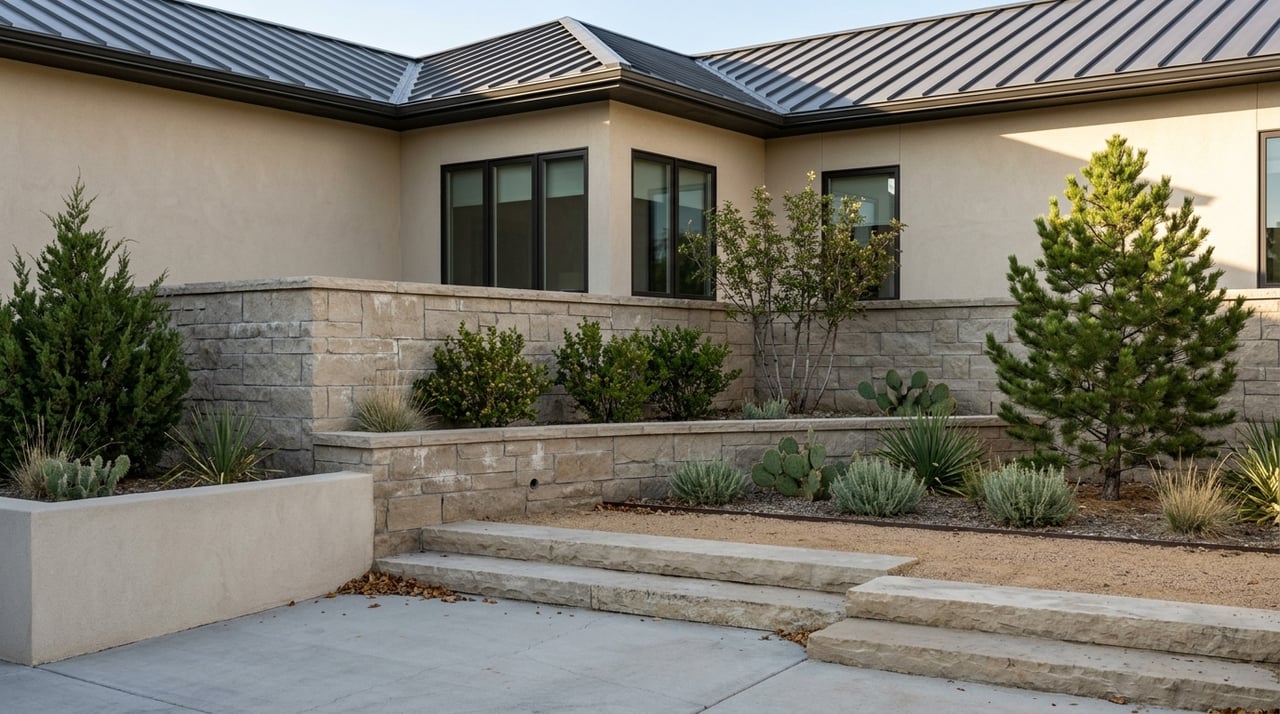
Smart Planning for Building a Home in the Redlands
April 16, 2026
April 16, 2026
Thinking about building or remodeling in the Redlands? It can be exciting to picture the views, outdoor living, and custom design choices, but this is not a plug-and-play area where every lot follows the same rules. In the Redlands, topography, drainage, jurisdiction, and subdivision-specific requirements can all shape what is realistic before your plans ever reach the permit stage. This guide will help you understand the key issues to check early so you can make smarter decisions and move forward with more confidence. Let’s dive in.
The Redlands is not a typical flat infill market. The rea is known for varied topography, scenic vistas, and a more open, rural feel compared with many suburban neighborhoods.
That setting is a big part of the appeal, but it also means your lot may come with added design and site challenges. The area plan places special emphasis on protecting ridgeline views and limiting light pollution, especially south of Highway 340, so details like lot orientation, roofline, wall height, and exterior lighting may matter more than you expect.
One of the first things to confirm is who governs the property. The Redlands is a joint planning area involving Mesa County, the City of Grand Junction, and the City of Fruita, and rules can vary depending on whether the parcel is inside city limits or in unincorporated Mesa County. Land inside Grand Junction city limits is regulated by the city, while unincorporated land is regulated by the county. In the joint urban area, the city and county share the same future land-use map, but the city interpretation is regulatory and the county interpretation is advisory.
Before you buy a lot or finalize a remodel scope, use Mesa County’s parcel worksheet and district lookup tools to verify details tied to the exact address. That lookup is designed to help surface zoning, jurisdiction, future land use, subdivision, floodplain zone, ridgelines, geological hazards, WUI classification, slopes over 25%, mudslide areas, and faults.
A property-specific review can save you time and money. In the Redlands, these are some of the most important items to confirm early:
The Redlands has real site-condition differences from lot to lot. The USDA notes that the Redlands soil series is very deep and well drained, formed from eolian material and alluvium derived from sandstone and shale, and is typically found on fan remnants, mesas, and structural benches with slopes of 1% to 8%.
At the same time, the broader geologic setting can create more complex building conditions. The Colorado Geological Survey publication on the Redlands connects local geology to hazards including rockfall, landslide, and earthquake risk, while the Redlands neighborhood planning documents identify unstable slopes, landslide deposits, expansive soil and rock, corrosive soil and rock, and flood-related hazards as relevant concerns.
That does not mean every lot is a problem. It does mean you should avoid assuming that one foundation approach or one builder estimate will fit every property in the area.
The Redlands Area Plan recommends avoiding or mitigating mapped hazard areas and says every building site should have a detailed geologic and engineering investigation before design or construction. That is a strong signal to do your homework early, especially if the lot has slope, bench edges, drainage features, or visible rock exposure.
Mesa County also maintains subdivision-specific foundation requirements, including an entry for the Redlands Area. In practical terms, some lots may have foundation rules tied to the subdivision or site conditions rather than one simple countywide standard.
Flood risk is not just a riverfront issue. Mesa County states that flooding is the most common natural hazard in Colorado and notes that local risk can come from the Colorado River, the Gunnison River, snowmelt, heavy rainfall, creeks, and washes.
In the Redlands, drainage planning matters because runoff from the southwest moves toward Colorado River drainages, and washes and streams may be subject to flash flooding under the Redlands Area Plan. That is why grading, drainage, and water flow should be part of your project planning from the start, not something left for later.
If a property is in a Special Flood Hazard Area, Mesa County says it may be subject to specific development requirements. The county also notes in its Know Your Flood Risk guidance that homes with federally backed mortgages in an SFHA generally must carry flood insurance, and some properties already have elevation certificates on file.
If you want clarity on a specific property, Mesa County’s floodplain management program offers property-specific flood-risk information and site visits. For buyers evaluating land or owners considering additions, that can be an important early call.
If your project disturbs one acre or more, or is part of a larger common plan of development or sale, Mesa County requires a Construction Stormwater Permit. For larger builds and some major remodels, erosion control and drainage can become permit issues along with design issues.
A beautiful design still has to match the local approval process. Mesa County’s Planning Department says a Residential Site Plan is required for all new residential land use, additions and alterations to existing buildings, ADUs, and short-term rental use changes.
The City of Grand Junction also notes that building permits are required for most construction and directs applicants to Mesa County for building permits. Because the Redlands can involve overlapping planning context, it is smart to confirm requirements based on the exact parcel before you commit to plans.
Depending on your lot and project scope, you may need to look into:
Many buyers focus on zoning and miss the private restrictions that can shape a project. Mesa County’s plat checklist states that protective covenants or restrictions must be noted on the plat or referenced by recorded book and page or reception number.
That is why HOA rules, CC&Rs, and plat notes should be reviewed for the specific parcel or subdivision documents, not assumed from a neighborhood name. Those documents may affect design elements like exterior materials, fencing, lighting, setbacks, drainage responsibilities, or architectural review steps.
Colorado does not use one statewide building code, which makes local confirmation especially important. The Colorado Office of the State Architect notes that building codes are adopted at the local level, and Mesa County currently enforces the 2024 IRC/IBC-family codes and the 2021 IECC.
Mesa County also provides building guides that can be useful for planning, including an IECC residential checklist, a solar-ready checklist, a remodel/additions/alterations checklist, and subdivision-specific foundation requirements. If you are comparing bids, those local documents can help you ask better questions.
Mesa County’s permit-to-build process requires contractor license names and numbers before permit issuance. The county’s contractor guidance also recommends verifying licensing, registration, bonding, and insurance, checking references, confirming who will pull permits, obtaining signed and stamped plans when needed, and putting scope, price, schedule, and warranty terms in writing.
A practical contractor checklist includes:
If you are building a home or taking on a major remodel in the Redlands, start with the site before you fall in love with the floor plan. A property that looks straightforward online may need additional drainage work, engineering review, floodplain analysis, or covenant research.
Here is a simple order of operations that can help:
When you approach a Redlands project this way, you are more likely to spot issues early, budget more accurately, and avoid costly redesigns.
If you are exploring land, evaluating a remodel, or trying to understand whether a specific Redlands property is a smart fit for your goals, working with local guidance can make the process much smoother. Kelley Griffin brings hands-on Grand Valley insight and practical real estate guidance to help you assess properties, ask the right questions, and move forward with confidence.
Stay up to date on the latest real estate trends.

Blog
Why now might be the best time to buy
Blog
A local look at the lifestyle, community, and livability that set Fruita apart
Blog
Life with three little boys is naturally a bit wild.

Blog
A family's dream cabin on the Grand Mesa becomes a reality.
We live, work, and serve in the community we love. Our deep market knowledge means smarter pricing, stronger offers, and confident decisions.
THE GRIFFIN TEAM
COLDWELL BANKER DISTINCTIVE PROPERTIES
Agent phone: 970-589-6555
Office Phone: 970-243-0456
131 N. 6th Street Grand Junction, CO 81501